


The practice of celebrating the Holy Sacrifice of the Mass ad orientem, meaning “toward the East,” is a beautiful and deeply traditional way of worship. Rather than facing the congregation throughout the entire liturgy, the priest and people face the same direction during the Penitential Rite and the Eucharistic Prayers. We all face toward the altar, symbolically turning together toward Christ.
Ad orientem worship also reflects the ancient practice of the early Church, when Christians traditionally prayed facing East in anticipation of Christ’s glorious return. Importantly, celebrating ad orientem does not mean that the priest is turning his back on the people. Rather, he is standing with them, facing the same direction as their spiritual leader as they collectively turn toward God. It is a posture of unity, humility, and shared worship. The priest and congregation are not opposing parties; they are members of one Body of Christ, offering praise and adoration to the Father through the Son.
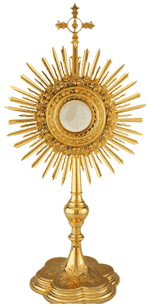
Another important benefit of celebrating Mass ad orientem is that it directs the attention of the faithful toward the Eucharistic sacrifice, itself. Instead of focusing on the expressions, gestures, and personality of the celebrant, the congregation is encouraged to contemplate the sacred mysteries taking place before them. This can foster deeper prayer, recollection, and a greater awareness of the Real Presence of Jesus Christ in the Blessed Sacrament.
Ultimately, ad orientem beautifully expresses the truth that the Mass is directed toward God. It reminds us that worship is not primarily about ourselves, our preferences, or our personalities. It is about Jesus Christ, His sacrifice on Calvary, and His real presence in the Most Holy Eucharist. The liturgy should turn our hearts toward Heaven, and celebrating Mass ad orientem visibly expresses that purpose.