Uptown New Orleans Catholic Church on Napolean Avenue - Monsignor Nalty
Rectory 504-899-1378 | Fax 504-899-0480
School 504-891-1927
ststephenpar@archdiocese-no.org


From the Pastor – October 30, 2026
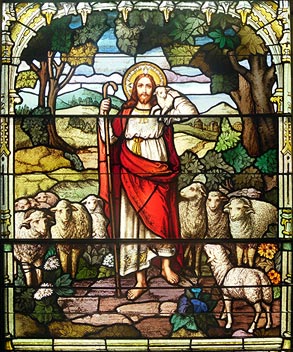 “Blessed are the poor in spirit, for theirs is the Kingdom of heaven.” (Mk 5:1)
The Nine Beatitudes are the roadmap to happiness, holiness, and Heaven. They sound so wonderful, but they stand in stark contrast to the path that the world tells us will make us happy. We should listen carefully to Jesus:
The world tells us that happiness is found in wealth. Jesus says, rather, “Blessed are the poor in spirit, for they will inherit the Kingdom of Heaven.”
The world tells us we’re happy when we don’t have anything to worry about. “Don’t worry, be happy!” Jesus says, “Blessed are those who mourn”: blessed are those who are saddened by the suffering and sinfulness they witness in the world.
The world tells that that strength and power make us happy. Contrast that to the humility of Jesus, who tells us: “Blessed are the meek, for they will inherit the earth.”
The world glorifies unbridled sexuality as the ideal through mass media, advertising and pornography. Jesus says “Blessed are the pure of heart, for they shall see God.”
The world tells us to accept, and even indulge in whatever appetite we desire. “If it feels good, do it!” On the other hand, Jesus counsels: “Blessed are those who hunger and thirst for holiness, for they will be satisfied.”
The world tells us to celebrate our victories by dominating our opposition. “Win! Win! Win!” Jesus says “Blessed are the merciful, for they will receive mercy” and “Blessed are the peacemakers, for they will be called children of God.”
Our current American “political correctness” warns us to “be tolerant, be nice, be all-inclusive, don’t judge anyone, no matter what they do or how they act.” Jesus says, “Blessed are those who are persecuted for righteousness’ sake, for theirs is the kingdom of heaven. Blessed are you when they insult you and persecute you and utter every kind of evil against you [falsely] because of me. Rejoice and be glad, for your reward will be great in heaven.”
What is the point of the Beatitudes? Could it be that the world is wrong?
(Very Rev. Msgr.) Christopher H. Nalty
msgr.nalty@goodshepherdparishNOLA.com
Masses
St. Stephen
Saturday Vigil at 4:00 pm
Sunday at 8:00 am and 10:30 am
Sunday at 5:00 pm at OLGC
Our Lady of Good Counsel (OLGC)
Center of Jesus the Lord
Charismatic Mass
Sunday at 10 am
Weekdays Masses
Monday – Friday 6:30 am St. Henry
Tuesdays 6:00 pm St. Stephen
Monday, Wed, Thurs 12 noon OLGC
Tuesday 11 am Charismatic OLGC Rectory
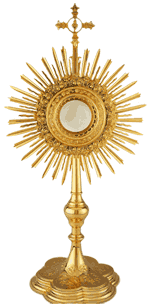
Adoration of the Blessed Sacrament
Tuesdays 4:45 – 5:45pm St. Stephen
Thursdays 7:00 – 8:00am St. Henry
Thursdays 5-6pm OLGC Rectory (except last Thursday of month)
Confession Times at Good Shepherd
Saturdays 3:00 – 3:45pm St. Stephen
Sundays 9:30 – 10:15am St. Stephen
Sundays 10:00 – 10:30am OLGC
First Fridays 6:30 – 7:00pm OLGC
Blessing of the Cemeteries

On All Saints Day, Sunday, November 1, 2026, at noon, Msgr. Nalty will bless the Vincent de Paul Cemeteries on Soniat and Loyola Avenue (behind Newman School). The St Vincent de Paul Cemeteries are the resting places for many longtime parishioners of St. Stephen Church, as well as the Vincentian Priests and Daughters of Charity who served our parish for over 150 years.
On the same day at 12:30pm Msgr. Nalty will bless the St Joseph Cemeteries on Washington Avenue and Loyola, another place where many parishioners are buried. Many people take the occasion of the blessing as a time to beautify these resting places and pray for the souls of their faithfully departed relatives, priests, religious sisters and friends.
Remember to Pray for the Faithful Departed!
Traditionally, the Church dedicates each month of the year to a certain devotion. In November, we remember the Holy Souls in Purgatory – faithful Christians who have died and gone before us but who still must atone for their sins. The time they spend in Purgatory cleanses them so that they may enter Heaven free from all effects of sin.
Praying for the dead, especially for those we have known, is a requirement of Christian charity. Our own prayers and sacrifices can be offered up to relieve their suffering. The following prayer, among others, can be incorporated into our daily prayers during this month: Eternal rest grant unto them, O Lord, and let perpetual light shine upon them. May the souls of the faithful departed, through the mercy of God, rest in peace. Amen.
A plenary indulgence, applicable only to the souls in purgatory, is also granted to the faithful who fulfill the following conditions:
- On any and each day from November 1 to 8, devoutly visit a cemetery and pray, if only mentally, for the departed (the ‘Eternal rest grant unto them…’ suffices)
- Offer an Our Father and Hail Mary for the Pope’s Intentions
- Make a good confession within a week and be free from all attachment to sin
- Receive Holy Communion that day (or ASAP following if unable that day)
Please Pray for the Faithful Departed of our Parish
World Mission Sunday
October 18, 2026
Celebrated every year on the second-to-last Sunday of October, World Mission Sunday is the day when Catholics around the world unite to support the missionary work of the Church. Established by Pope Pius XI in 1926, it remains the only annual global collection that directly supports the 1,124 mission territories where the Church is young, struggling, or persecuted. On this day, every parish, in every diocese, in every country, joins in prayer and giving to ensure that missionaries can continue their vital work—building churches, forming priests, supporting catechists, and serving communities in need.
“Even today, there are many settings in which the Christian faith is considered absurd, meant for the weak and unintelligent. Settings where other securities are preferred, like technology, money, success, power, or pleasure.
“These are contexts where it is not easy to preach the Gospel and bear witness to its truth, where believers are mocked, opposed, despised or at best tolerated and pitied. Yet, precisely for this reason, they are the places where our missionary outreach is desperately needed. A lack of faith is often tragically accompanied by the loss of meaning in life, the neglect of mercy, appalling violations of human dignity, the crisis of the family and so many other wounds that afflict our society.”
Good Stewardship
Good Shepherd Parish needs average weekly collections of $6,500 in order to fund parish operations. Rarely does our collection exceed $5,000. Thankfully, we usually cover our deficit with year-end donations by generous benefactors. I encourage you to take this time to prayerfully consider whether you might increase your donations to our parish. For those who are able, please consider an additional 10% per week. Your help will make a big difference in our ability to meet our financial obligations. One way to make this easy is to use our electronic giving program. Simply sign up here. You may also use the paper authorization form or from Ari Nash in the parish office. Call Ari if you have difficulties.
Religious Education
CCD – Sunday School
We offer C.C.D. (Confraternity of Christian Doctrine) classes for grades 1 – 4. Classes meet on Sunday mornings 9:20-10:20, beginning September 27, 2026, and follow the academic calendar. Please register with the parish office.
Order of Christian Initiation for Adults
O.C.I.A. is a process of reflection, prayer, instruction, discernment, and formation for those who wish to come into full communion with the Catholic Church. Catholics are also invited to attend to further their religious education. Already we have six candidates this year! Classes begin Thursday, September 22, 2026 at 6:00pm. If you are interested, please contact the parish office.
Confirmation Classes
For high school students wishing to receive the Sacrament of Confirmation, we are working on a program together with a neighboring parish. Please contact the parish office. These classes will begin later in October.
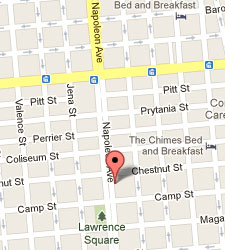
Location Map
Join Knights of Columbus
NOLA Adoration Chapels